Key Takeaways:
- I’ve identified six hidden gem Raleigh-area suburbs offering exceptional value, rapid growth, and unique lifestyles often overlooked by mainstream discussion.
- These areas provide a fantastic Triangle lifestyle with lower property taxes and more accessible home prices than highly saturated Wake County options.
- From established cities like Durham to rapidly developing towns like Angier and Pittsboro, these communities present significant long-term appreciation and quality of life opportunities.
Table of Contents
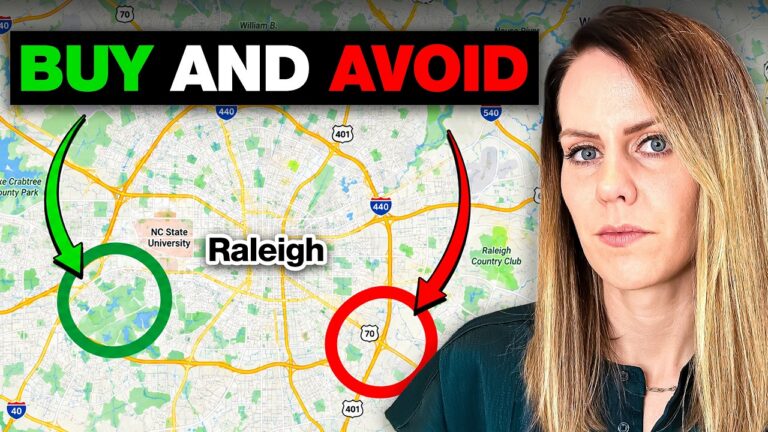
- Discovering Raleigh’s Secret Suburbs: My Top 6 Picks
- Durham: My Favorite Thriving Suburban Alternative
- Angier: Explosive Growth with Small-Town Peace
- Pittsboro: Historic Character Meets Massive Development
- Sanford: Industrial Strength and Small-Town Charm
- Creedmoor: Growing Smart with Small-Town Appeal
- Youngsville: My Momentum Play for Generational Wealth
Discovering Raleigh’s Secret Suburbs: My Top 6 Picks
In the last few years, the Raleigh real estate market has seen incredible growth, but in my experience, there are still a few hidden gem Raleigh-area suburbs that most people aren’t talking about online yet. My goal with this guide is to unveil six of these communities where you can invest without breaking the bank, giving you a distinct advantage before they become widely known. Many of my clients have found their ideal homes in these very locations.
What makes these places truly stand out is that they challenge the common assumption that affordability means compromise. They offer an incredible lifestyle without the premium price tag typically associated with the Triangle. We’re witnessing population surges – some as high as 46% in just five years – coupled with major infrastructure investments and significant developer interest. You get access to amenities like lakefront properties, nature preserves, charming historic downtowns, and tight-knit communities, all while often enjoying lower property taxes than in more prominent Wake County towns. Each suburb has its own unique character, ensuring there’s something for everyone, whether you prioritize outdoor recreation, community spirit, or simply getting the most house for your money.
Durham: My Favorite Thriving Suburban Alternative
Let’s start with a suburb that has been quietly winning in my book: Durham. It’s a thriving independent city that perfectly serves as a suburban alternative to Raleigh. Located just 25 to 30 minutes from downtown Raleigh via I-40, NC 47, and US 15, it also provides rapid access to Research Triangle Park (RTP), RDU Airport, and all major job centers. The Durham Station transit hub and planned commuter rail even offer the potential to ditch the car for your daily commute.
The lifestyle in Durham is truly vibrant. We’re talking about a rich downtown art scene, home to DPAC, world-class dining, and a nationally recognized food and beer culture. You can immerse yourself in Duke University’s cultural scene, explore greenways, or enjoy parks like Eno River State Park and trails in Duke Forest. Downtown Durham and neighborhoods like Trinity Park are highly walkable with connected sidewalks, local markets, and beautifully revitalized historic districts. The population saw significant growth between 2010 and 2020, primarily driven by tech, research, and healthcare jobs around RTP. Over the last five years, home values have appreciated approximately 38%, making it one of the strongest markets in the region. For home buyers, the median home price of around $410,000 is much more accessible than in some other Raleigh suburbs like Cary or Apex, offering established neighborhoods and diverse housing options where homes typically sell in about 26 days. This isn’t a suburb built overnight; it’s a place with tradition and real community.
Angier: Explosive Growth with Small-Town Peace
Next, I want to take you to Angier, a place exploding with growth yet retaining that peaceful, small-town charm everyone dreams about. Situated about 21 miles south of Raleigh, Angier is experiencing the kind of momentum that smart investors notice early. Despite a current resident count of around 8,300, the numbers are mind-blowing: a 46% population surge since 2020, making it one of the fastest-growing towns in the entire Triangle area. Connectivity is excellent, with NC 55 and US 401 providing direct routes into Cary, Fuquay-Varina, and downtown Raleigh. The planned NC 55 bypass project will further reduce congestion and enhance Triangle-area access, putting downtown Raleigh about 30 minutes away on a normal day.
Angier offers a perfect lifestyle balance, especially for families. It maintains that desirable rural, quiet neighborhood feel while gaining massive new amenities. Jack Marley Park, numerous sports fields, and the annual Crepe Myrtle Festival (drawing over 20,000 visitors) highlight the community’s appeal; it’s not called the ‘Town of Crepe Myrtles’ for nothing. The historic downtown is undergoing a revival, and new walkable neighborhoods like Myrtle Village are introducing shopping, dining, and green space. When it comes to housing, the median home price is around $330,000, making it significantly more affordable than most Wake County options, and property taxes are lower. Major projects like the approved Myrtle Village are bringing 250 townhomes and 135,000 square feet of commercial space, while communities like Langdon Preserve and Cambridge Reserve are adding hundreds of homes on large lots, ranging from half an acre to over two acres. This is where you can truly get ahead of the curve, buying into explosive growth at prices that make sense before everyone else catches on.
Pittsboro: Historic Character Meets Massive Development
Speaking of getting ahead of the curve, Pittsboro combines historic character with one of the most ambitious development projects on the entire East Coast: Chatham Park. This 71,000-acre community is poised to change everything for Chatham County NC real estate. Location-wise, connectivity is fantastic, just 40 minutes from downtown Raleigh via US 64 and US 15-501, with upgraded highways making Cary reachable in 25 to 45 minutes. You also have easy commutes to RTP, Chapel Hill, and all major Triangle job centers.
The lifestyle in Pittsboro is truly unique. Jordan Lake State Recreation Area is right here, offering 13,900 acres of outdoor recreation, boating, hiking, and some of the best sunset views you’ll find anywhere. Add in craft breweries, vibrant Main Street shops, farmers’ markets, and museums, and you have the perfect blend of small-town charm and modern amenities. Chatham Park isn’t a typical development; it includes up to 22,000 planned homes, over 10 miles of greenways and trails, and Night Farm Community Park with splash pads and dog parks. There’s also the private paddle, swim, and pickleball club and on-site schools like Thales Academy. Disney’s upcoming Asteria community is also scheduled for home sales here by 2027. Despite all this growth, the housing market offers surprising value, with median home prices around $530,000, which is still lower than Chapel Hill or Cary. The downtown is highly walkable, and Chatham Park is designed with walkability in mind, integrating retail, work, and residential options. Massive industrial investments, including VinFast and Wolfspeed high-tech plants, are bringing over $9 billion and new development, creating jobs, economic growth, and long-term value appreciation for homeowners who get in early. This is a place where you can feel the momentum building and want to be a part of it.
If you’re curious about how these developments might impact other nearby areas, I’ve previously discussed Disney’s Asteria and Chatham County Real Estate, which provides even more context on this exciting growth.
Sanford: Industrial Strength and Small-Town Charm
Sanford perfectly balances industrial strength with authentic small-town character. It’s experiencing steady growth fueled by manufacturing development and a downtown revitalization that’s truly turning heads. The value here is incredible, with median home prices around $293,000, making Sanford one of the most accessible options in the entire region. You’re getting high-quality housing at prices that, frankly, feel like they’re from five years ago. Location-wise, it’s about 40 miles southwest of Raleigh along US 1 and US 421, providing straightforward highway commutes to RTP, Durham, and Fayetteville, avoiding the complexities of multiple toll roads and traffic nightmares.
The lifestyle and character in Sanford are what make it so different. The historic downtown centers around the Temple Theater, public art installations, and acclaimed local restaurants, with Main Street areas being extremely walkable. San-Lee Park and Depot Park offer camping, fishing, hiking, and biking, making outdoor activities easily accessible. The thriving art scene, galleries, cultural venues, and annual festivals foster a strong sense of community, and they even have a country orchestra. The Sanford Downtown Streetscape Project has further enhanced accessibility and visual appeal. What makes Sanford a smart long-term play is its diverse and stable industrial base, with major employers like Caterpillar, Pfizer, Magneti Marelli, and Tyson Foods providing solid employment opportunities. Recent developments include the Pilgrim Sanford Agricultural Marketplace, set to open in spring 2026, and the ongoing Sanford Central Green project, which will transform downtown with greenways and community amenities. I love Sanford for its authenticity; it’s a community with real character, real jobs, and real opportunities for families seeking substance over flash.
Creedmoor: Growing Smart with Small-Town Appeal
Similar to Sanford in its appeal, Creedmoor, North Carolina, offers a place that evolves while retaining that coveted small-town feel. Located about 25 miles north of downtown Raleigh, Creedmoor is a prime example of smart growth. Its location connectivity is excellent, with easy access along NC 50 and US 15 connecting to I-85, Falls Lake, and RTP. Most residents can reach major job centers in Raleigh and Durham within 30 to 37 minutes, which, believe it or not, is often better than for many living inside the Raleigh Beltline.
The lifestyle in Creedmoor is all about balance. The town core around Main Street features cafes, antique shops, galleries, and quick access to Lake Rogers Park and Falls Lake. Parks and greenways are a major focus, with new subdivisions planning community amenities in the coming years. Downtown Creedmoor is quite pedestrian-friendly, with investments in walkability improvements through pedestrian planning grants, maintaining a comfortable vibe. The value proposition here is amazing: median home prices are around $395,000, significantly less than in Wake County, and property taxes are much lower. You’ll find modern homes with larger lots, mixed-use zoning, and room to breathe. Growth drivers include sustained population growth, close proximity to RTP, access to nature, and lower costs compared to Raleigh or Cary. Major residential investments, like Creedmoor Village (bringing homes and commercial space along I-85) and luxury communities like Creedmoor Manor (featuring custom homes starting at $1 million on nearly one-acre lots), make this suburb perfect for those who want a tranquil getaway without isolating themselves from big city access.
Youngsville: My Momentum Play for Generational Wealth
Finally, I want to talk about Youngsville, North Carolina, an area experiencing explosive residential development that, in my opinion, is creating generational wealth for early adopters. Located 23 miles northeast of downtown Raleigh in Franklin County, Youngsville is truly fantastic. Direct routes via US 1 and NC 96 place downtown Wake Forest just eight minutes away and central Raleigh about 32 minutes away. You get that semi-rural setting with fast highway commutes and all major amenities within a short drive.
The lifestyle here centers around family and community, with Youngsville hosting family-centered events like barbecue cookoffs, festivals, and sports. You’ll find walkable boutique shopping, the Care Family YMCA, parks, and new master-planned communities emerging daily. Outdoor access includes the beautiful Lake Rogers Park and Forest Ridge Park. Franklin County Schools’ Math 1 scores were the highest in the North Central region, outperforming every other district, and top-rated private options like Ravenscroft School further enhance its family appeal. The downtown core on Main Street has sidewalks and planned improvements for greater pedestrian and bike safety, while new subdivisions support trails and access to community amenities, creating that desirable walkable lifestyle. The housing market shows median home prices around $416,000, currently leaning towards a buyer’s market with increased inventory and more leverage for home buyers. You benefit from lower taxes and home costs compared to Raleigh and Cary, plus excellent outdoor amenities and high-performing schools. What excites me most about Youngsville is the timing. You’re getting great value amidst major infrastructure improvements. Over 1,000 new homes are planned, and the US 1 North Commerce Center, a $164 million, 106-acre multi-building campus, is breaking ground. The population grew 10.5% from 2020 to 2023, earning it the nickname ‘boomtown,’ with strong in-migration from Wake County and beyond. You’re buying into communities that are genuinely growing and creating places where families can thrive for generations.
Frequently Asked Questions (FAQs)
Q: What common characteristics do these hidden gem suburbs share?
These suburbs are quiet yet growing rapidly, experiencing population surges and significant infrastructure investments. They offer a desirable Triangle lifestyle with amenities like lake access and historic downtowns, often with lower property taxes and more accessible home prices than more popular Wake County areas.
Q: Why is Durham considered a hidden gem for home buyers?
Durham offers a vibrant lifestyle with a strong art scene, world-class dining, and cultural amenities, all while having a median home price of around $410,000, making it more accessible than Cary or Apex. It boasts established, walkable neighborhoods and diverse housing options with strong home value appreciation.
Q: What makes Angier an attractive option for families and investors?
Angier is experiencing a 46% population surge since 2020 and offers a perfect lifestyle balance for families with a rural feel yet new amenities like Jack Marley Park. Its median home price is around $330,000 with lower property taxes, and major residential and commercial developments are underway, offering significant growth potential.
Q: How does Pittsboro stand out with its development projects?
Pittsboro is home to the massive Chatham Park development, planning up to 22,000 homes, extensive greenways, and amenities like a private club and on-site schools. It also anticipates Disney’s Asteria community by 2027 and major industrial investments totaling over $9 billion, all while maintaining a median home price around $530,000, lower than Chapel Hill or Cary.
Thinking about buying or selling in the Raleigh area? Reach out to our team today to start your journey!
This article was adapted from our YouTube video: Raleigh, NC Suburbs No One Talks About… But Should!. Watch the full video here: https://www.youtube.com/watch?v=DomanET-qag